
Critical incident and post-trauma response

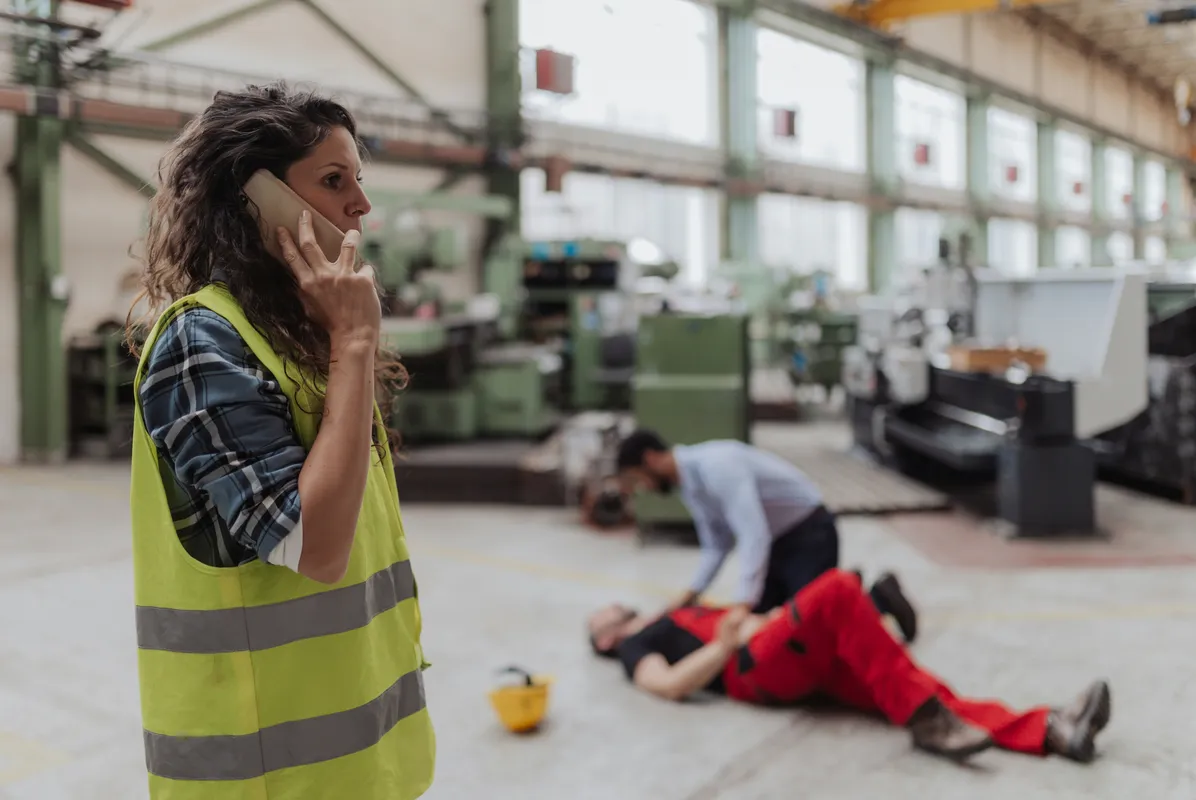
Respond quickly to a critical event
A sudden death, serious accident, assault, suicide attempt or other dramatic event can turn an entire workplace upside down. Even without being directly affected, employees can experience significant emotional, psychological and functional repercussions.
At Brio PAEwe intervene within the first few hours to stabilize the situation, ease tensions and initiate support adapted to each person’s reality and experience.

Preventing the effects of post-traumatic stress disorder (PTSD)
Prompt assistance in the hours following the event can prevent major complications.
Our support is aimed at :
- Reduce the intensity of acute emotional reactions
- Preventing the onset of post-traumatic stress disorder (PTSD)
- Providing clinical support from day one
We can also :
- Train your teams to react effectively in the first few minutes
- Setting up a network of peer helpers in your organization

Questions about responding to critical workplace incidents
1. What is a critical incident in the workplace?
Un incident critique est un événement soudain et bouleversant qui dépasse les capacités d’adaptation habituelles d’une équipe : décès d’un collègue, accident grave, agression, tentative de suicide, vol à main armée ou catastrophe. Ce type d’événement peut affecter non seulement les personnes directement touchées, mais l’ensemble d’un milieu de travail. Une intervention rapide et structurée aide à limiter les impacts psychologiques et à rétablir un climat sécurisant.
2. How soon after the event should support be provided?
As soon as possible. Initial support can be offered within hours of the event, while a more structured intervention typically takes place within 24 to 72 hours. Acting quickly means employees are supported at the right moment, and it helps identify those who may need more in-depth follow-up. At Brio, our responders can mobilize within the first few hours, anywhere in Canada.
3. What is a psychological debriefing?
It’s a structured session, led by a professional, that allows people affected by a critical incident to express what they’re going through, understand their reactions, and learn about the resources available to them. A distinction is often made between immediate support (shorter, in the hours following the event) and a more complete debriefing offered in the days that follow. The goal isn’t to erase the event but to support employees and direct those who need it toward further follow-up.
4. How should you respond after a sudden death at work?
First, ensure everyone’s safety, then inform employees with transparency and sensitivity, avoiding rumours. Give people space to react and avoid forcing a return to normal too quickly. Bringing in a professional response team helps manage the collective shock, support managers, and care for the most affected employees. Brio can respond quickly to guide you through the very first steps.
5. What are the signs of post-traumatic stress in an employee?
After a critical incident, certain signs may appear: anxiety, sleep disturbances, irritability, difficulty concentrating, avoidance of places or tasks, flashbacks, or withdrawal. These reactions are often normal in the first few days, but if they persist or intensify, they may signal post-traumatic stress requiring professional support. Follow-up makes it possible to step in before the situation worsens.
6. Do you offer support to organizations that aren't already clients?
Post-incident response objectives
- Reduce short- and long-term psychological and organizational impacts
- Prevent prolonged absenteeism, burnout and mental health problems
- Promoting a healthy, rapid and safe return to work
- Maintain team cohesion and preserve the organizational climate
A human, structured and confidential approach
Each intervention is :
- Adapted to your organization’s context and culture
- Conduct with empathy, respect and professionalism
- Based on proven proven clinical practices
We create a safe space where employees can express themselves freely and begin their recovery.
24/7 support
Recognized expertise and a vast, responsive network
Our network includes more than 1,600 professionals in North America, including approximately 30 experts specialized in post-trauma :
- Specialized psychologists and criminologists
- Social and psychosocial workers
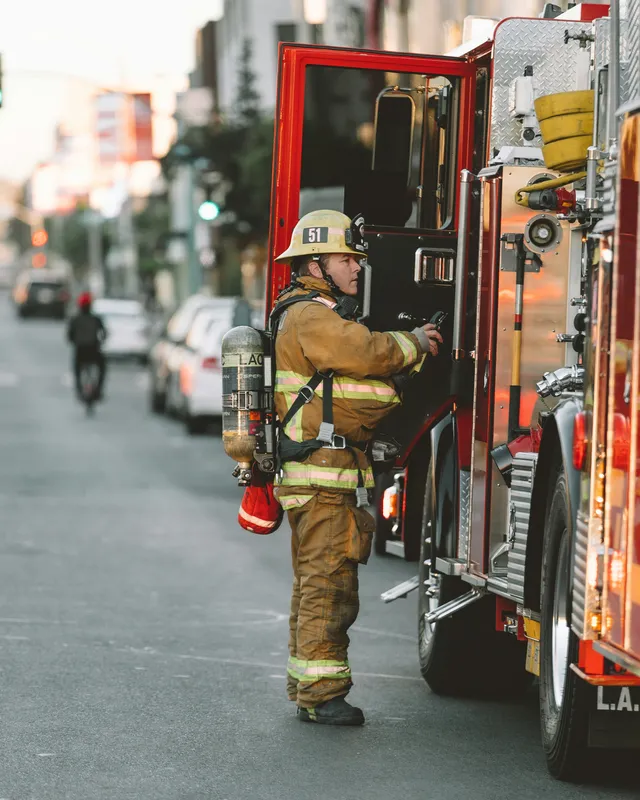
- Coaches, retired police officers and firefighters trained in crisis management
They accompany employees in their emotional reactions (anxiety, isolation, insomnia, hypervigilance, etc.) and actively support managers in :
- Internal communication during and after the crisis
- Human management of the situation
- Rapid implementation of a response plan
We work with all types of workplaces, and have particular expertise with particular expertise with front-linepolice, fire, public safety and health.
Why choose Brio PAE?
Immediate intervention in the first critical hours
24/7 support for employees and managers
Highly qualified multidisciplinary team
A human, confidential approach adapted to your reality

In a crisis, every minute counts
Protect your teams with professional, fast and humane support. Your employees will remember the importance of the support they receive right from the start.
Contact us today
To schedule an intervention or discuss your post-incident support needs.
Yes. Our response line is available to any organization facing a critical situation, whether or not they’re already a Brio client. We can respond quickly in an emergency and, if needed, put longer-term support in place. Call 1-888-799-0303, 24/7.