






Article written by Amine Chbani, MBA, Pl. Fin. | Senior Consultant at FinEduc Performance Inc.
Financial health,
an often overlooked pillar of well-being
In Quebec, we talk a lot about physical and mental health, but financial health is rarely addressed. Yet the three are intimately linked.
According to a Sun Life survey, nearly one in two Quebecers say their finances are a major source of stress. This stress can lead to anxiety, sleep disorders and sometimes even tension within couples.
The good news? Regardless of your income, you can improve your financial health with a few simple actions, better organization and a long-term perspective. Here’s how.
Understanding your financial situation: the starting point
Before looking to optimize anything, you need to know where you stand. Too many employees don’t know how much they really spend each month, or the total value of their debts.
To begin, take a sheet of paper or an Excel file and note down :
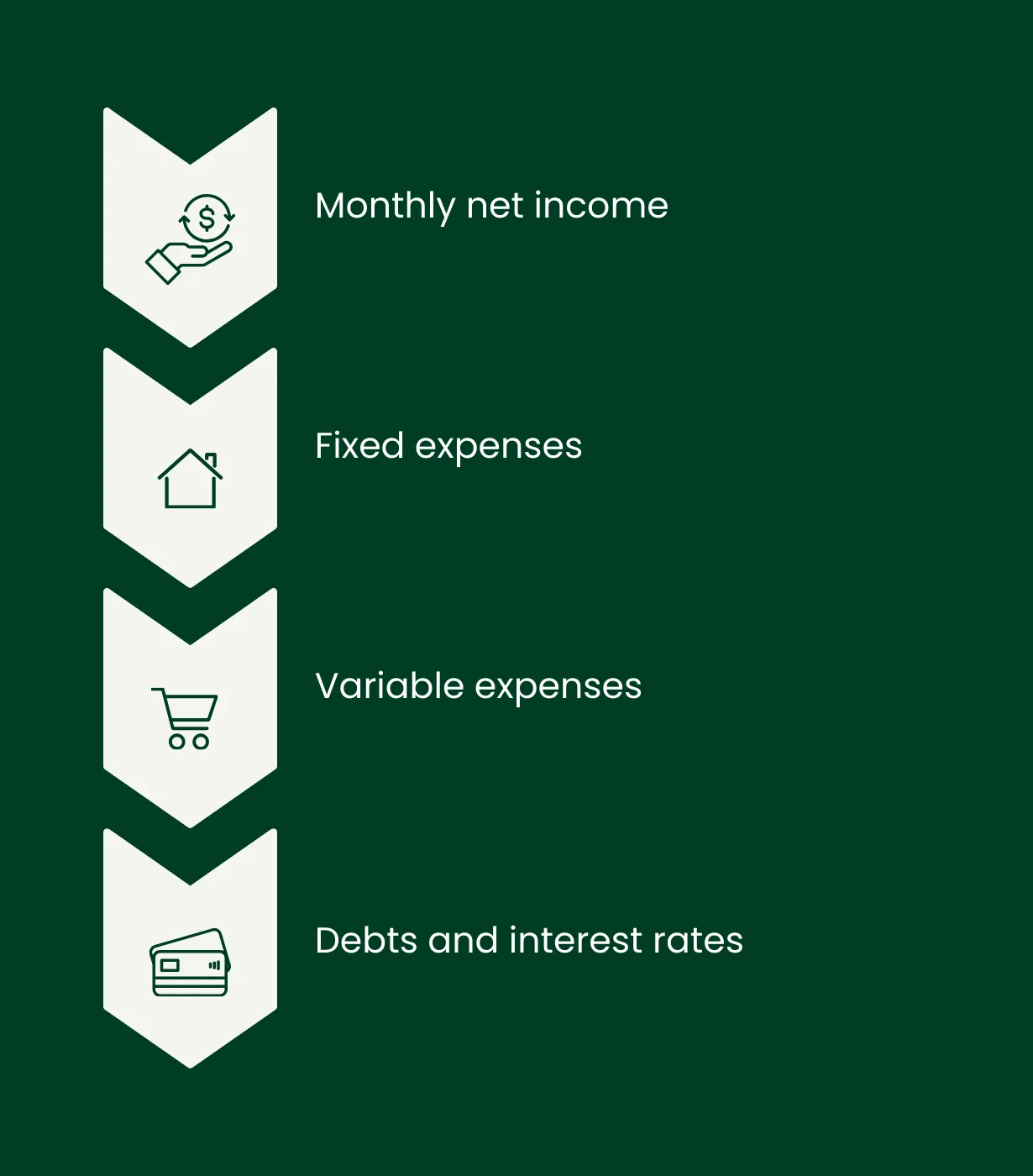
- Your net monthly income (salary after tax, benefits, etc.);
- Your fixed expenses (housing, insurance, transportation);
- Your variable expenses (food, entertainment, clothing);
- Your debts and their interest rates.
This simple exercise helps you visualize your actual financial situation. You’ll see right away if you’re living beyond your means or if you have room to maneuver.
Let’s take the example of Sophie, a 38-year-old daycare worker in Montreal who earned $60,000 a year. She was never able to save money. After attending a financial planning workshop, she discovered that she was spending over $450 a month on restaurant meals and coffee. By cutting this expense in half, she was able to put $225 a month into a TFSA, for a total of $2,700 a year, without reducing her quality of life.
The secret? She didn’t cut out all enjoyment, she realigned her spending with her priorities.

Saving, even a little: the key to financial freedom
Many people think you have to wait until you have a good salary to save. But this is not true.
Saving is a habit, not an amount.
An effective principle: start small, but start now.
Even $50 per paycheque invested in a TFSA or RRSP makes a major difference over 10 years.
If you save $50 per paycheque = $1,300 per year.
Invested at a 5% annual return, this results in $16,300 after 10 years.
It’s not the starting amount that matters, but consistency.

Prioritize debt repayment strategically
Not all debt is bad. A mortgage, for example, can be healthy if it allows you to build wealth. However, high-interest debt (credit cards, unsecured lines of credit) should be addressed as a priority.
Simple method: the snowball strategy
List your debts from smallest to largest.
Pay the minimum on all debts except the smallest one.
Once your smallest debt has been paid off, apply this method to the next one.
This approach provides quick motivation and a sense of progress. It may not always be the most mathematically efficient method, but psychologically, it works.
Take advantage of Quebec's tax benefits and savings plans
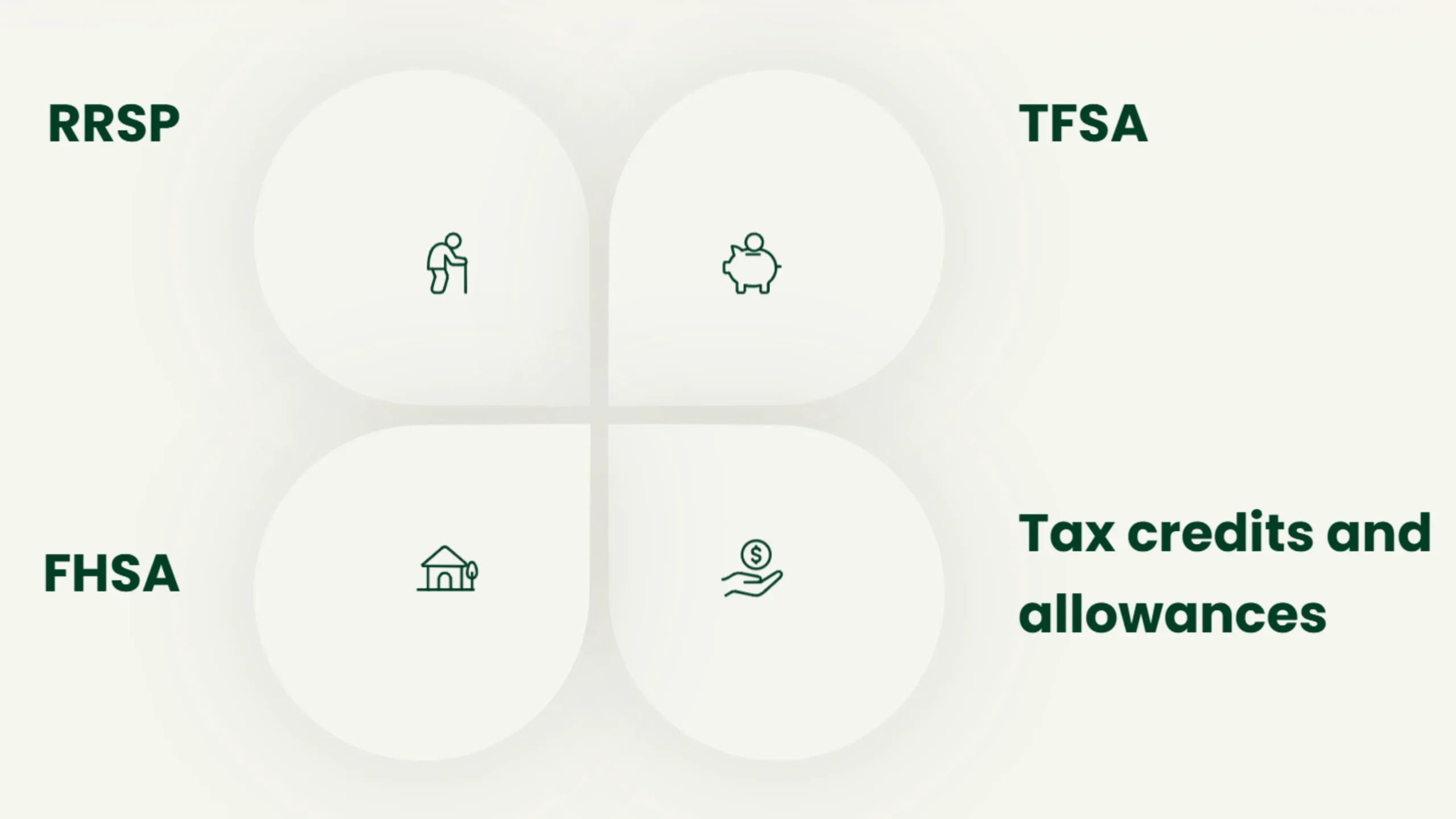
- RRSPs: deductible from taxable income, ideal for reducing taxes today and preparing for retirement.
- TFSA: not tax-deductible, but withdrawals are tax-free — perfect for medium-term projects.
- FHSA: a new account for first-time homebuyers, combining the benefits of an RRSP and a TFSA.
- Tax credits and allowances: don’t overlook them! Credits for medical expenses, public transportation, children’s physical activities, and more.
Automate to simplify
The best way to stick to your financial goals is to remove temptation.
Automation is a powerful tool:
- Automatic transfers to a savings account on payday;
- Automatic bill payment to avoid late fees;
- Automatic RRSP or TFSA contribution.
When saving becomes a reflex, it no longer depends on willpower. It becomes a habit.
Protecting your future: insurance and planning
Good financial health also means protecting what you build.
An unexpected event (illness, disability, death) can quickly disrupt a family’s stability. That’s why it is essential to :
- Review your group insurance coverage;
- Supplement with individual insurance if necessary;
- Set aside an emergency fund covering 3 to 6 months of living expenses.
It may seem difficult at first, but even a $1,000 emergency fund offers significant peace of mind.

Financial education:
the best form of insurance
Accessible resources like Protégez-Vous offer practical, neutral advice to help you better understand your financial rights, insurance products, credit and retirement.
Your employer can also play a key role in your financial health. More and more companies in Quebec are offering conferences or workshops on personal finance management, retirement planning or budget balencing. These activities, often offered free of charge during working hours, provide concrete tools to help you better manage your money on a daily basis.
You can also consult a financial planner (Pl. Fin.) — not just for the “wealthy”, but for anyone looking to establish a clear, personalized strategy.
A financial planner can help you :
- determine your priorities;
- optimize your taxes;
- plan your retirement;
- structure your debts.
And the good news: if your company offers an employee assistance program with BRIO EAP, you could have free access to a financial planner to confidentially discuss your goals, debts or retirement plan.

In conclusion
Financial health doesn’t mean being a millionaire. It means living without fear of tomorrow, making informed choices and experiencing peace of mind.
It’s having the freedom to say: “I know where my money is going, and it’s working for me.”
Changing your relationship with money also means changing your life.
And this transformation begins with a simple question:
“Are my financial decisions moving me closer or further away from the life I really want?”