





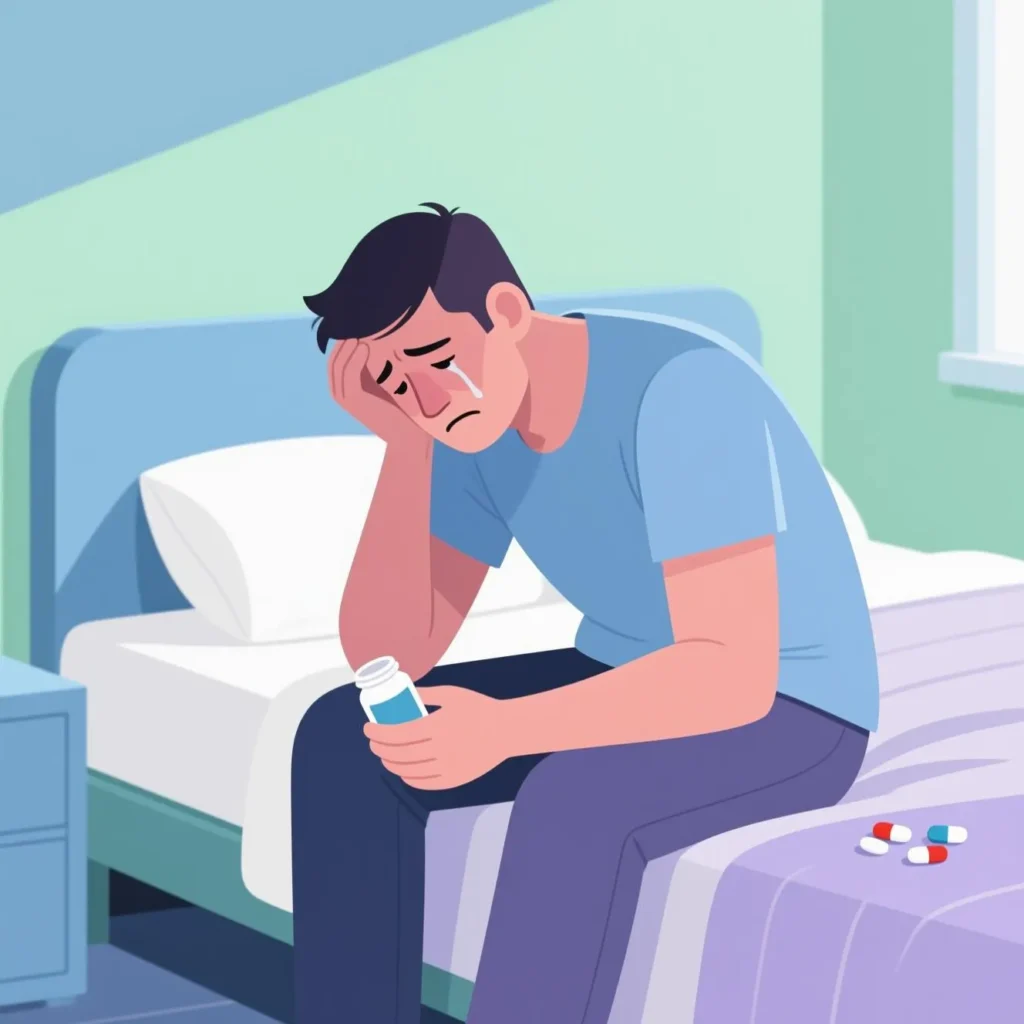
Article written by Karyne Vaillant, Call and Intervention Coordinator at Brio PAE | Helping Relationship Therapist
This month, we are focusing on a crucial topic: addictions.
Addictions can affect anyone, and it is essential that we are all informed so we can better support those who are struggling with them.
The two faces of addiction: physical and psychological
“One can develop an addiction to a substance, such as alcohol or other drugs, but also to an activity, such as gambling.”
One can also develop a more “modern” addiction to screens, such as social networks, cell phones or even video games.
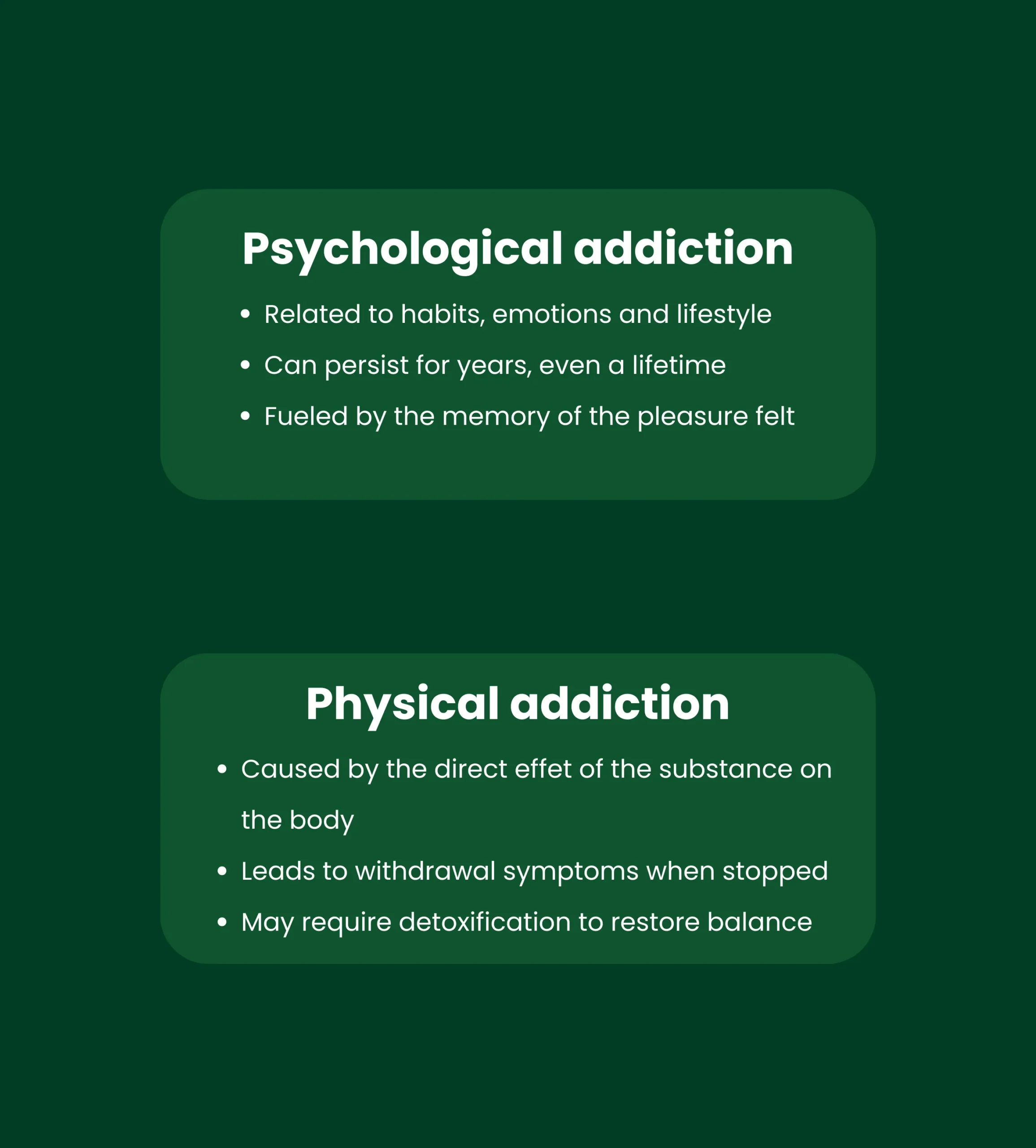
There are 2 types of addiction: physical and psychological.
A psychological addiction can last much longer than a physical addiction, sometimes for years or even a lifetime. The reason is that it is more closely tied with the person’s characteristics: habits, emotional states, and lifestyle. One can remember the effects of the addiction, the pleasure it provides and the moments when it was used.
Physical addiction is linked to the substance itself. When someone decides to stop using it, the body goes into withdrawal.
When comfort becomes a trap
It is important to understand that no one is immune to developing an addiction at some point in their life. At any stage of life, a person may go through a difficult situation that will make them more fragile or vulnerable.
In such situations, this person may turn to substance use or spend more time on a screen, such as a cell phone or other devices. It is at this point that one may become more inclined to seek refuge and find a way to feel safe, and it is within these addictions that comfort is found. Unfortunately, this feeling of security and comfort is an illusion.
Instead, it becomes a form of self-harm that leads to increased isolation from one’s surroundings and can negatively affect personal, professional, and romantic relationships.
It is easy to judge someone who is experiencing such a situation, but it is difficult to know what is happening in their life that has led them down this path.
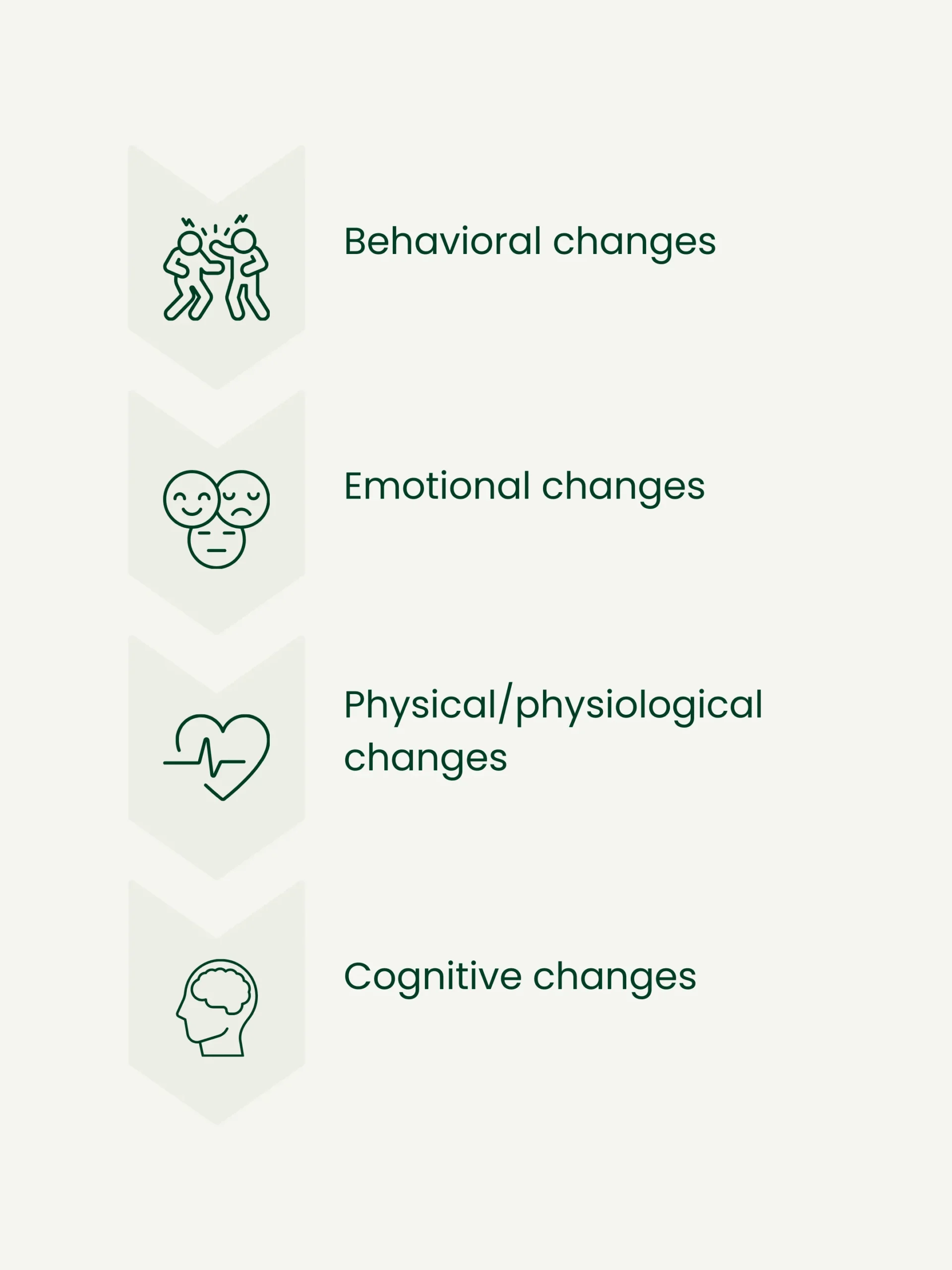
In people living with addictions, changes can be observed on several levels. . On a behavioral level (restlessness or drowsinessimpulsivity, irritability), emotional level (mood swings, isolation), physical or physiological level (stomach aches, sweating/dehydration, clumsiness in walking or movements), and cognitive level (lack of concentration, confusion, difficulty finding words).
It is very important to show empathy and compassion toward these individuals, so that they do not feel rejected, but rather supported and safe.

Losing control: a warning sign
Some people may try to “control” a problem through substance use, such as depression, anxiety or other health issues. However, self-medication is not recommended. It is always preferable to consult your family doctor.
When one realizes that they are no longer in control and that the addiction is controlling them, that is the signal showing that they need to seek help.
“Addiction is a habit that is often difficult to break and that increasingly affects a person’s life.“
Supporting others without burning out
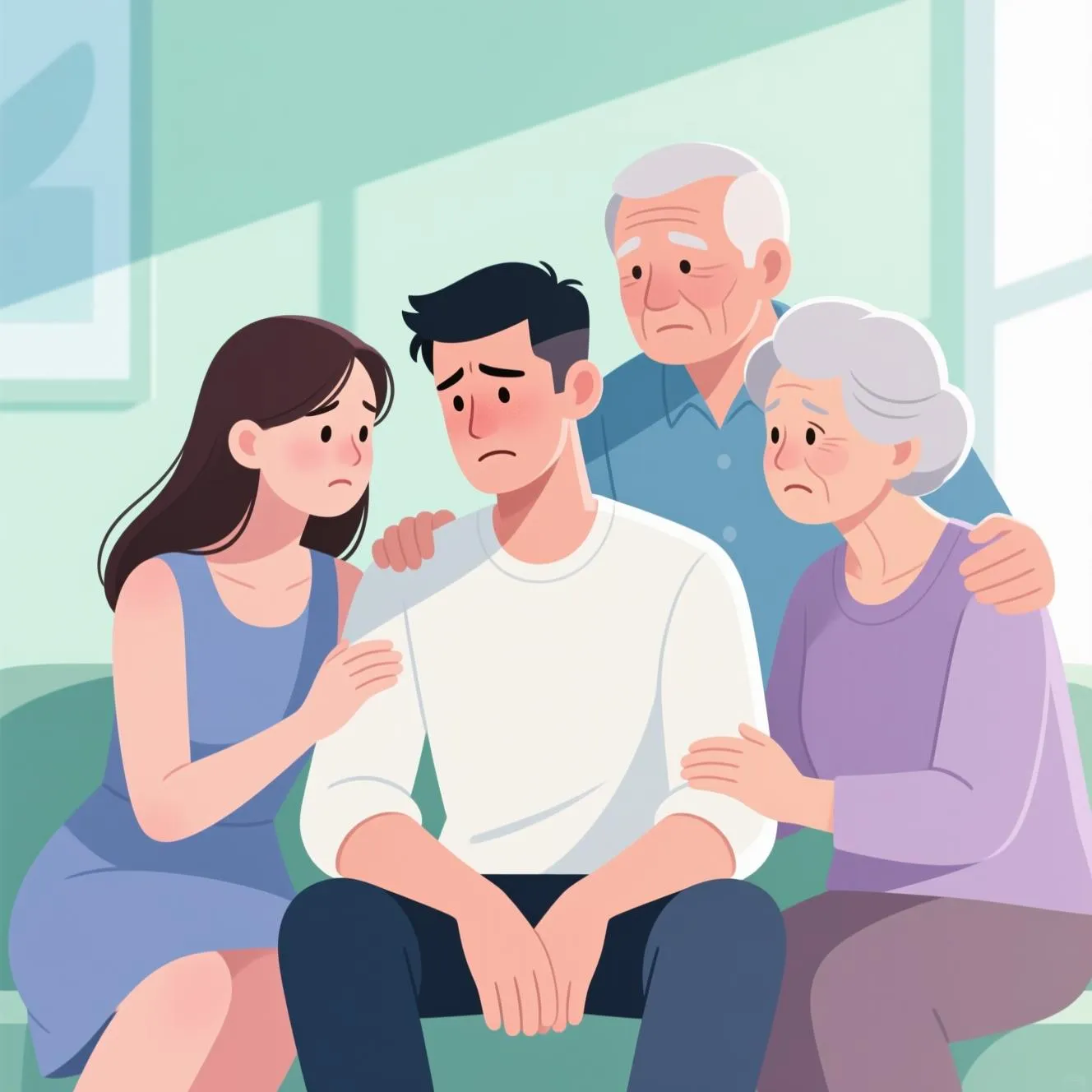
When we talk about the impact this can have on the loved ones of those living with addiction, it means that they may be just as affected, if not more so, than the person experiencing the addiction themselves.
It can sometimes be heavy to carry a secret like this, either for the person directly involved, or for their family. That is why it is important to talk to someone about it and find out about the resources available for loved ones.
This can equip you with tools and help you be less emotionally involved by “protecting” yourself.
10 warning signs or red flags to watch out for
- An increasingly frequent need to use substances
Whether it is to relax, feel better about yourself, calm down, or cope with problems, feeling the need to use substances at every opportunity is, as you may have guessed, your first warning sign. - Increased drug and alcohol consumption
In addition to the frequency, you also gradually increase the amount. Over time, your body becomes accustomed to it, you develop a tolerance, and you feel the need to consume more and more each time. - Apparent troubles: lack of money; academic difficulties; unpredictable behavior, irritability…
As you consume in larger quantities and more frequently, it is only natural that money starts to run short and that priorities shift. You may begin to neglect your shoolwork. In addition, your attendance at work may also suffer. - Indifference toward all other activities
Have you given up sports and your favorite activities? The lack of enthusiasm for various activities becomes more pronouncedanddifficult hangover days combined with a declining physical condition often mean that nothing seems stimulating anymore. Is this the case for you ? - Difficulty stopping or reducing your use of drugs or alcohol
Following the advice of those around you, you try to reduce or stop your consumption. Do you feel like you are unable to do so ? - Undesirable physical sensations: withdrawal symptoms
Addiction also causes physical reactions. These vary depending on the type of substance used, and can manifest themselves in the form of tremors, headaches, nausea, high blood pressure, and more. - Resorting to lies and all kinds of excuses
A first attempt to stop using substances may prove overwhelming. As a result, resorting to lies and improbable excuses to justify missing an event or asking for money increases, and conflicts with friends and family add up. - Confusion and loss of judgment
Your judgment becomes impaired. You lose confidence in yourself. This can put you in dangerous situations, not only for yourself, but also for your loved ones. - Denial
You feel that something is wrong, but you always find reasons to explain your situation and try to convince yourself and your loved ones that everything is normal or temporary. - Distance from friends and family
Confused behavior and repeated broken promises often lead to isolation. When friends and family question you and try to help, your refusal saddens them. they feel powerless and start to distance themselves.
Talking about it to get through it
If you suspect that you may be experiencing one of these 10 warning signs, it is recommended to speak up about it.. This could help prevent your issues from becoming worse and allow you to find a solution sooner rather than later. You need to know you’re not alone in this kind of situation. It is important to be able to talk about what you go through.
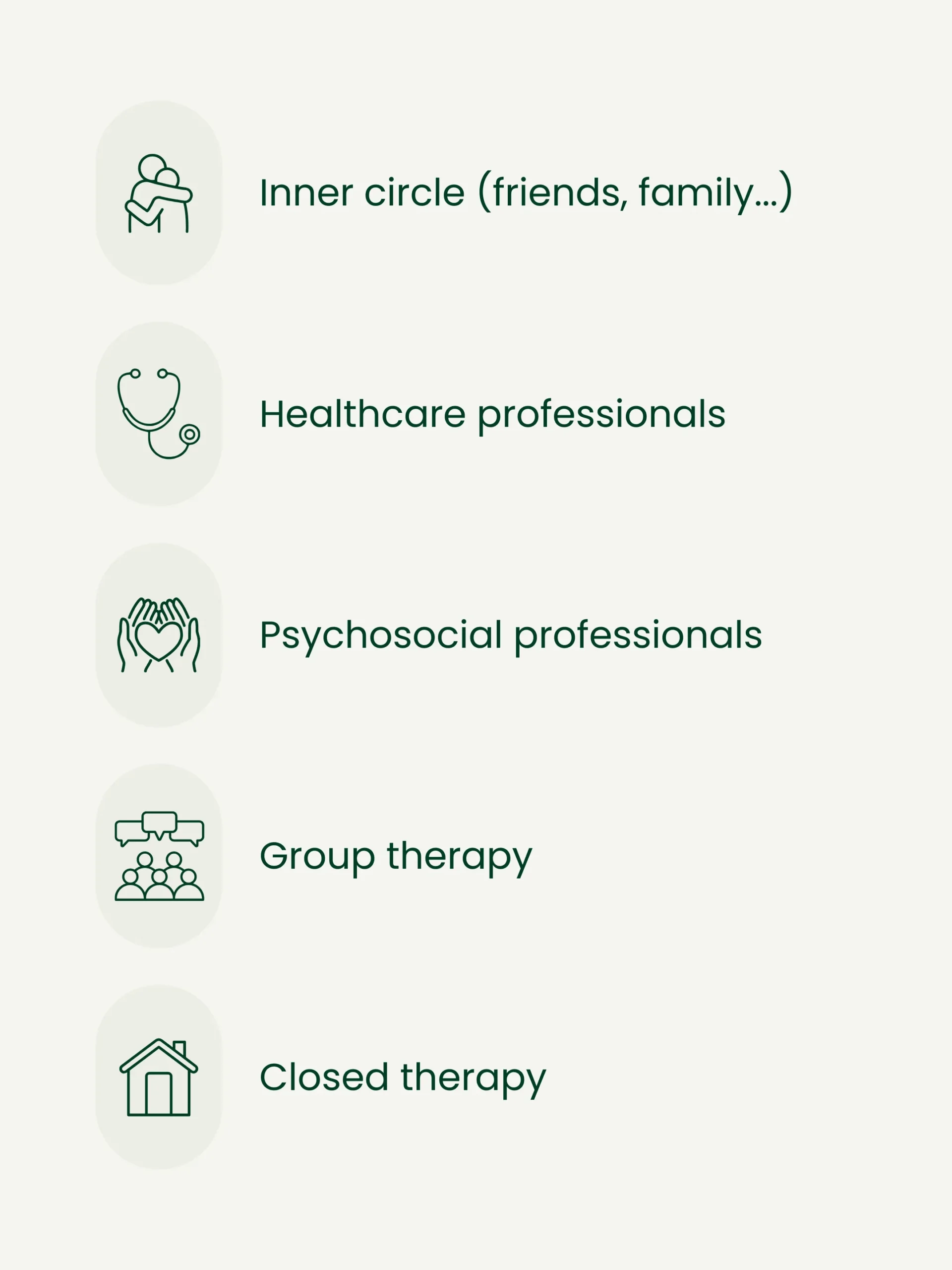
You can choose to talk about it within your own network, with friends, family or colleagues. If you don’t feel comfortable talking about it to those around you, from fear of judgment or unpleasant comments, you can seek outside help. There are healthcare professionalswho work with these kinds of situation, such as social workers, counselors, psychologist, and others, it all depends on the expertise of these professionals.
There are also resources available to help people who believe they may have an addiction. It is possible to seek external support, such as group therapy or individual therapy.
Otherwise, depending on the type of addiction and its severity, it may be possible to enter a residential treatment program. Afterward, outpatient therapy is often offered to ensure continuity of care and to avoid leaving the person to continue their recovery process alone.
Each person is different, and so are their needs. You know yourself best, so it’s up to you to determine which type of therapy is the most appropriate for your situation. The more deeply rooted the addiction is, the longer the therapy and rehabilitation process will be. For this type of addiction, a residential treatment program with the possibility of detoxification is strongly recommended.
"Overcoming addiction is a learning process that begins with the desire to stop".
In order to take care of yourself and seek help to overcome your addiction, you must first recognize that you have a problem. Without this awareness, any help you receive will be of little use.
Once you become aware of it, you also need to want to change. If the motivation is not there, if you do not feel ready, it is very likely that you will not take the necessary steps.
To successfully overcome addiction, you must commit fully, both physically and emotionally. By giving yourself every possible chance, you set yourself up for the best outcome. Relapses are part of the recovery process, and knowing how to manage them when they occur is just as important.
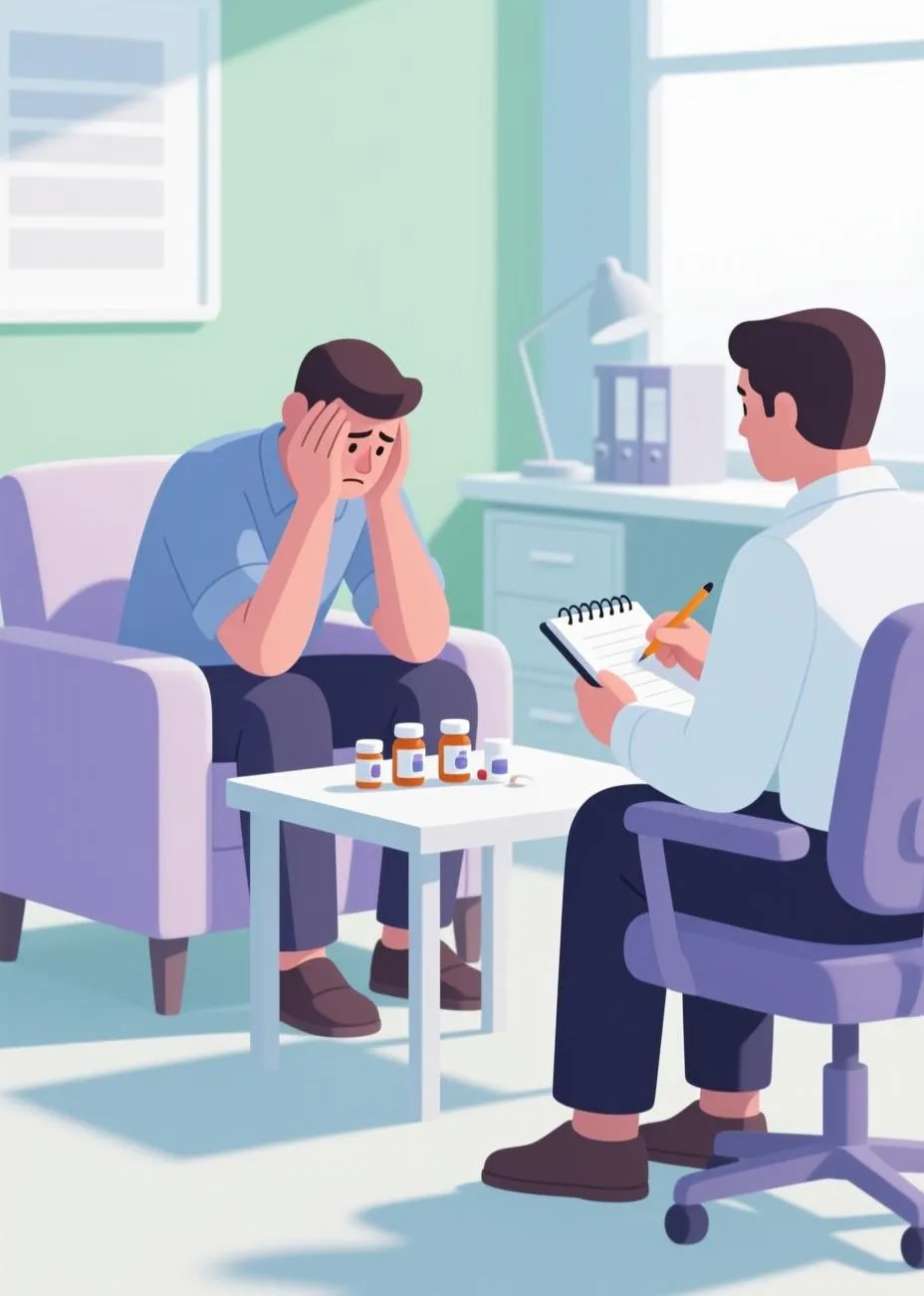
Together against addiction
There are many resources available to help those struggling with addictions, including treatment centers, support groups, and healthcare professionals who can provide the necessary support. As helpers or loved ones, our role is to provide a safe and understanding environment, and to guide people toward the appropriate resources as much as possible.
It is our responsibility to raise awareness about addiction. Together, we can make a meaningful difference in the lives of those affected. If you have any questions or would like more information, please do not hesitate to contact us.
Thank you for your attention and commitment.
Resources
If you’re looking for resources or help for yourself or a loved one, click here.
Some resources :
- Contact a doctor, a nurse, the CIUSSS in your region
- Contact your workplace doctor or nurse
- Contact your EAP
Therapy houses :
- Maison d’aide La Villa St-Léonard, Portneuf (closed therapy) : 418 337-8808, 1–800–550-8808, e-mail : intervenants@villa-st-leonard.orgwebsite : https://www.villa-st-leonard.org
- Maison Jean Lapointe, Montreal (closed or outpatient therapy) : 514 288-2611, e-mail : ae.lapointe@maisonjeanlapointe.org (closed therapy) web : www.maisonjeanlapointe.com
- Le Grand Chemin, Montreal (specialized center for teenagers, closed therapy) : 514 381-1218, e-mail : info@legrandchemin.qc.ca, website: www.legrandchemin.qc.ca
- Centre Casa, St-Augustin-de-Desmaures: 819-871–8380, 1-877-271-8380, website : https://www.centrecasa.qc.ca/
- LauberivièreQuébec (external assistance) : 418 694-9316, e-mail: info@lauberiviere.org, website : https://lauberiviere.org/
Support for relatives :
- Le Passage, Quebec: 418-527-0916, e-mail: info@centrelepassage.org, website : https://centrelepassage.org
- Portage, Atlantic, Ontario and Quebec : 1-844-939-0202website : https://portage.ca/fr/services/famille
- Casa Center, St-Augustin-de-Desmaures : 819-871-8380, 1-877-271-8380, website : https://www.centrecasa.qc.ca/